Here's What You Should Know About the Lymphatic System
The Lymph is one of the most extraordinary systems of the body and yet most of us never learned anything about it. Gratefully, the lymphatic system is now having a moment, but it can still be difficult to find comprehensive information about what it is and how to support it. In this article, I’ll share more about the magic of lymph and simple techniques I use to keep my lymph flowing.
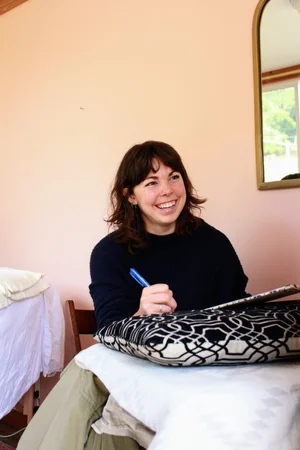
Image by Fiona Ford Foto
What is the Lymph?
In Ayurveda, the Lymphatic System is considered the first (and potentially the most important) of the tissues. The lymph is known as the “River of Life” because it nourishes all of the other tissues, organs, glands, and systems. Before addressing any other imbalances, a good practitioner knows that you must begin with the lymph. Without lymphatic flow, nothing else can flow.
So, what is the lymph? We are made of 70% water, the majority of which is lymphatic fluid. In fact, we have three times as much lymph in our bodies than blood. The lymph is our “fluid garbage system” and is tasked with identifying and eliminating toxins, pathogens, harmful bacteria, parasites, and mold.
Our highly sensitive and trained B & T cells (amongst other lymph cells) have the miraculous ability to identify harmful cells, break them down, and then transport them out of the body through liver detox, poop, and sweat. Any time you feel yourself getting sick and the lymph nodes in your neck or armpits swell up, that’s your lymph hard at work.
Image by Fiona Ford Foto
Lymphatic fluid can also help transport hormones, nutrients, and hydration to the cells. Thus, it’s very important that we keep lymphatic fluid flowing to get all of these vital components where they need to go.
Because the Lymph has so many functions in the body, it can be hard to pinpoint which symptoms are connected to lymphatic stagnation. Here are some of the most common ones I see in my practice:
Swelling and edema (especially in areas with lots of lymph- neck, groin, abdomen, knees, ankles)
Fatigue and achiness
Frequently getting sick
PMS and Post-Partum Depression (because of the importance of lymph in transporting hormones)
Swollen and tender breasts (especially around menstruation)
How to Move the Lymph
Lymphatic fluid primarily flows through interconnected networks of lymph nodes. In the lymph nodes, immune cells can help break down and eliminate pathogens. The Lymphatic system also includes the spleen, bone marrow, tonsils, and thymus, which all support in lymph production and detoxification.
Interestingly, the lymphatic system doesn’t have it’s own pump. Unlike the cardiovascular system which has the heart, and the respiratory system which has the lungs to pump blood or air through the body, the lymphatic system requires manual movement.
Gratefully, most lymph nodes are located in areas that we move frequently- the armpits, groin, knees, neck, and other joints. However, it’s also concentrated in zones that we don’t touch very frequently in modern life: the chest, breasts, and abdomen (50% of the lymph in our bodies is in our small intestines!) This means we need to give our bodies extra attention to make sure that our lymphatic fluid is flowing.
Image from NursesLabs
Some of the simplest things we can do to support lymphatic flow include:
Hydration!! (add electrolytes to your water)
Going for a walk
Swimming
Taking a warm bath
Doing “Legs up the Wall”
Jumping on a Trampoline (Rebounding)
Deep Breathing
Lymphatic Massage or Self Massage - here is a video of my lymphatic self-massage practice and my 5 minute breast massage video
Once you have these basics down, you can incorporate some helpful self-care techniques to help move the lymph in your body.
Image by Fiona Ford Foto
My Favorite Techniques for Supporting Lymph Flow
Over the past four years of being an Ayurvedic Practitioner and Body Worker, these are the most effective and enjoyable practices I’ve learned for supporting the lymph. I included my top four techniques, how to do them, and what they are helpful for.
I also highly recommend receiving body work/massage from someone trained in the lymphatic system as frequently as possible! You can find more about my practice at www.abbeyjoyhealing.com
Abhyanga: Ayurvedic Body Oiling
What is it good for? Nervous system replenishment, anxiety, warming the body, sleep, nourishment, cellular detox
How to do it: Get your favorite oil and rub yourself head to toe. Use circular motions to rub in the oil and spend extra time where there’s tenderness. Wait as long as you have time for before showering off in warm water to soak in the oils.
Pro Tips: Use a hand towel that you don’t mind getting oily to dry off. If possible find a sunny spot to dry. Have cozy natural fiber clothes or a robe ready to put on afterwards. Use a little scrubby in the shower to work all the oil in.
Best Oils:
Vata: Sesame, Almond
Pitta: Coconut, Sunflower
Kapha: Sunflower, Sesame
Dry Brushing
What is it good for? Improving Circulation, Cellular Detox, Depression, decreasing scar tissue and cellulite, improving metabolism and digestion
How to do it: Use the dry brush to slough off dead skin cells and stimulate the lymph/blood/muscles. Start at the chest and belly and then stroke up the arms and legs to bring blood/lymph flow back to the heart.
Pro Tips: Shower afterwards and bonus points if you apply oil afterwards as well! This benefits in the detoxification and nourishing properties.
Salt Scrub
What is it good for? Warming, Nourishing, Detoxifying, Scar Tissue, Congested Lymph
How to make: Mix 8 oz of sea salt, ½ C of oil, and 20 drops of your favorite essential oils. For oil recommendations, see Abhyanga. For essentials oils: Vata: Benzoin, Vetiver, Cardamom Pitta: Lavender, Tulsi, Mint Kapha: Ground Mustard Seed, Eucalyptus
How to do it: Hop in the shower and scrub yourself all over in the salt scrub. I recommend turning off the shower midway so you can maximize time with the salt before it washes away. Take extra time in areas with lymphatic congestion (chest, armpits, groin, behind the knees)
Pro Tips: Use a hand towel that you don’t mind getting oily to dry off. If possible find a sunny spot to dry. Be sure to wash the shower well afterwards to make sure there isn’t slippery oil leftover.
Image by Fiona Ford Foto
Gua Sha - for tutorial videos, check out my YouTube Channel
What is it good for? Detoxifying, Scar Tissue, Lymphatic Congestion, Muscle Adhesions, Lactic Acid
How to do it: Start by scrubbing the subclavian drain (chest underneath the clavicle), then work the neck, face, and head. Then move to the breast/chest, armpits, arms, belly, groin, and legs. Generally imagine moving the lymph towards the heart.
Pro Tips: It’s okay if there’s redness that comes to the surface. That is the blood moving and old adhesions/lactic acid coming to the surface. May leave marks for up to a week depending on how much lactic acid you have. Great the day after a workout.
Additional Resources
If you would like additional care from me or another practitioner, please reach out to hello@abbeyjoyhealing.com or check out my website www.abbeyjoyhealing.com
You can stay up-to-date on my breast & womb care offerings through my Instagram, Substack, Podcast, and new YouTube Channel
For more information and to find practitioners near you, I recommend checking out my teacher DeAnna Batdorff’s website dhyana Essentials and looking at the practitioner referral list.
Disclaimer:
Information provided in this communication is for educational purposes only. The information is not intended as diagnosis, treatment or as a prescription, nor is it intended to be a substitute for professional medical advice from your physician or primary healthcare provider. If you have a medical condition, please consult your physician.