
What are Dense Breasts? And What You Can Do to Support Them
Statistically, 40-50% of women have dense breasts. In my practice it seems like even more. I am an Ayurvedic Practitioner who specializes in breast and womb care, and almost all of my clients who come in have been told they have dense breasts. Most of them have no idea what having dense breasts even means, but have been told they will need to come in for mammograms, MRIs, and ultrasounds multiple times a year.
In writing this article, I do not want to dissuade you from receiving mammograms or any other type of diagnostic treatment. But I do believe all women deserve to know what it means to have “dense” breasts and the simple things you can do to support your body.
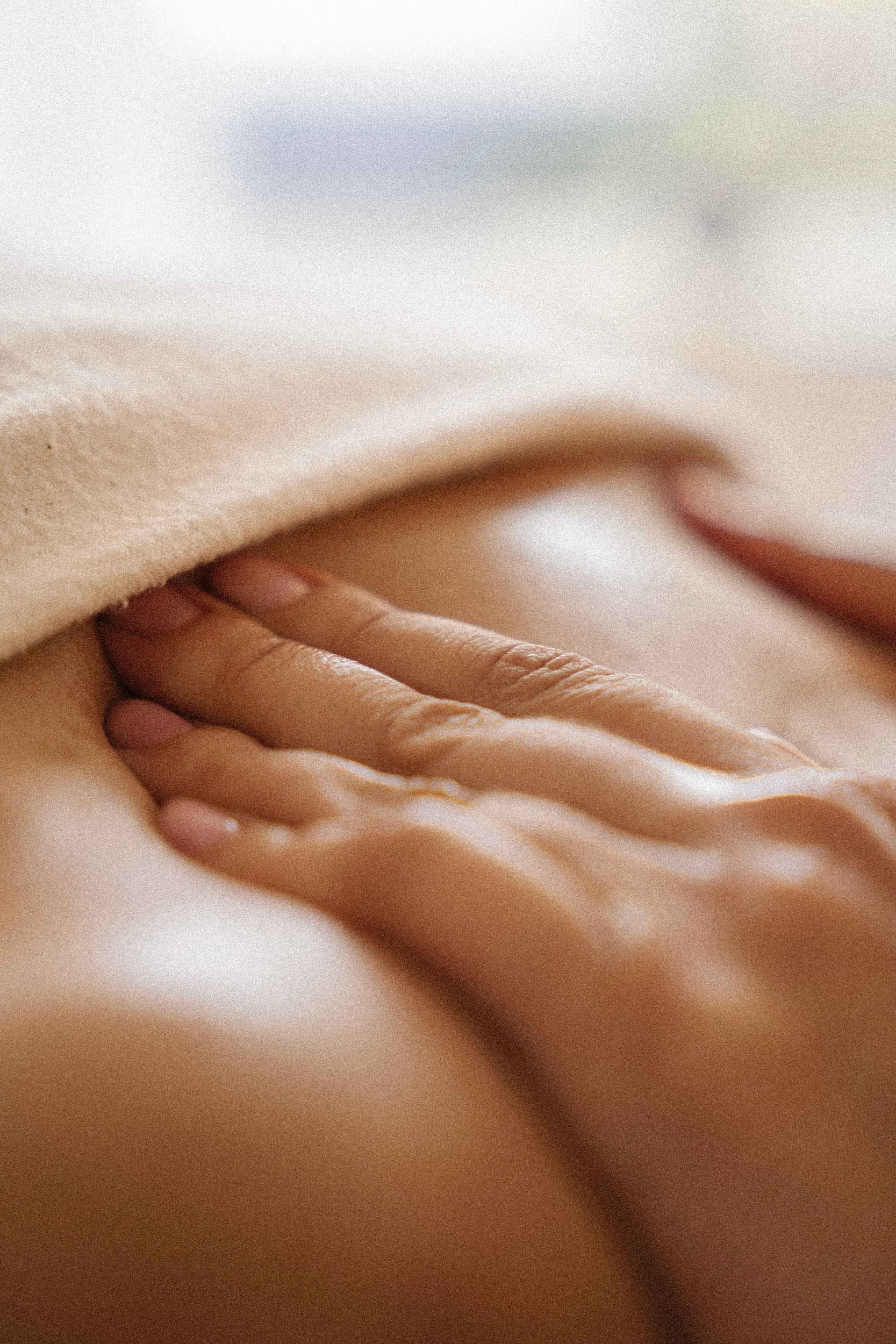
Photo by Fiona McNichols
So, what are dense breasts?
Breasts are predominantly made from three types of tissues:
Fibrous Tissue: this includes muscles and fascia that hold the breasts in place and support their overall structure
Glandular Tissue: This includes the lymphatic system and milk ducts that hold and transport milk
Fatty Tissue: The fat tissue protects the other tissues and creates the shape and size of the breasts
Breasts are considered “dense” when they have relatively more fibrous and glandular tissue than fatty tissue. This generally means that you have more fascia surrounding your lymph nodes and milk ducts.
Having breasts with more fascia is not a bad or abnormal thing. However, it can make it more difficult for lymphatic fluid and blood to flow, which has the potential to create stagnation or inflammation. As a result, having dense breasts has been linked to higher rates of breast cancer and other imbalances like cysts or mastitis.
So, the best thing you can do if you have been told you have dense breasts (or really for anyone in general), is to help loosen the fascia and support lymphatic flow.
Image from National Breast Cancer Foundation
Understanding the Fascia
The most important tissue to understand to support dense breasts is the Fascia.
Fascia is a fascinating tissue in the body that is both connective and communicative. It connects and surrounds all aspects of the body including the organs, muscles, tendons, ligaments, veins, etc. Fascia is made from collagen and when healthy is stretchy and mobile. Trauma, injury, hormones and inflammation can cause the fascia to harden and become more dense.
Amazingly, fascia is also a tissue of communication. It is closely connected with the Interstitium, which is a fluid tissue that connects the whole body and sends signals faster than the nerves. (I highly recommend listening to this RadioLab podcast if you have the chance). This means that the fascia is highly responsive to stress and other emotional experiences.
How to Support Dense Breasts
So, one of the most important things to support fascia, and thereby dense breast tissue, is emotional and stress support. Integrating meditation, yoga, breathing exercises, and other emotional wellbeing practices can help to reduce inflammation and thereby tissue density in the body.
More tangibly, breast massage is extremely helpful for softening fascia. I have multiple videos you can watch on how you can do breast massage at home to soften fascia in the breasts. by doing gentle massage on the breasts, you can help encourage lymphatic and blood flow, which reduces inflammation.
Image by Fiona McNichols
Tips for Breast Massage
When getting started with breast massage, I recommend seeing a practitioner near you to understand the different tissues in your breasts and how to support each of them. I currently see clients in Sonoma County, CA and Charlotte, NC so please reach out to hello@abbeyjoyhealing.com if you’d like to book a session.
If there isn’t someone near you, I made this in-depth video about at-home breast massage and also teach online classes. You can sign up for my newsletter at www.abbeyjoyhealing.com
A few tips to get started at home:
Find an oil or salve that you really like! I recommend doing breast massage with castor oil because it is very anti-inflammatory and can help soften fascia. Pour about a tablespoon into your hands after the shower and massage into your breasts. You can then place flannel over the castor oil or wear an old cotton t-shirt, and place a hot water bottle over the fabric to allow the castor oil to soak in. If you don’t have time to do the whole castor oil treatment, I love using sesame oil or sweet almond oil. If you’re local in Sonoma County, I sell a breast and belly balm (coming to my online store soon!)
Get a Gua Sha.Gua Shas can be a very helpful tool for moving stuck lymph and tight fascia in the breasts. You can watch one of my youtube videos for more in-depth tutorials on the Gua Sha, or listen to my podcast episode with step-by-step instructions.
Kala Namak: Kala Namak is a black sulfur salt from the Himalayas that is extraordinary for softening fascia. I like to mix about 1 tsp of Kala Namak with 2 tbsp of Castor oil and gently rub it into my breasts and armpits like a salt scrub. You can then shower it off afterwards. Sulfur is incredible for methylation and liver detox, as well as reducing inflammation in the breasts.
Massage in the Shower: If you don’t have time to do a full breast massage, take a few minutes in the shower to massage your breasts. breathe and notice any sensations that you feel. It’s common to feel tenderness and maybe even pain, and those are good indications that your lymph/fascia need more support. Please see a practitioner or your doctor to get more information about what you may be feeling, but it is okay to massage and see if the tissue shifts.
Image from Fiona McNichols
Closing Notes
There is also important distinction to make between breast cancer prevention and detection. Mammograms, Thermography, MRI’s etc can be lifesaving in their ability to identify breast cancer and other harmful imbalances in your breasts. I absolutely recommend that you find a detection method that feels the most supportive for you.
However, none of these forms of detection help to prevent root cause imbalances. In fact, it is very difficult to differentiate between fascia and cancerous growths on mammograms, because both show up as white in the black and white images.
That’s why its so important to do breast massage, eat healthfully, and decrease stress to reduce inflammation in your body. Here is an article with more ways to support your breast health at a root cause level. Getting additional screening from places like QT imaging, and receiving care from experienced practitioners who can assess breast tissue provide helpful additional support.
Additional Research and Resources:
https://www.bcrf.org/blog/4-important-things-to-know-about-dense-breasts/
https://radiolab.org/podcast/interstitium
https://my.clevelandclinic.org/health/body/23251-fascia
The BITTER TRUTH PODCAST - Lymphatic Breast Care 101
